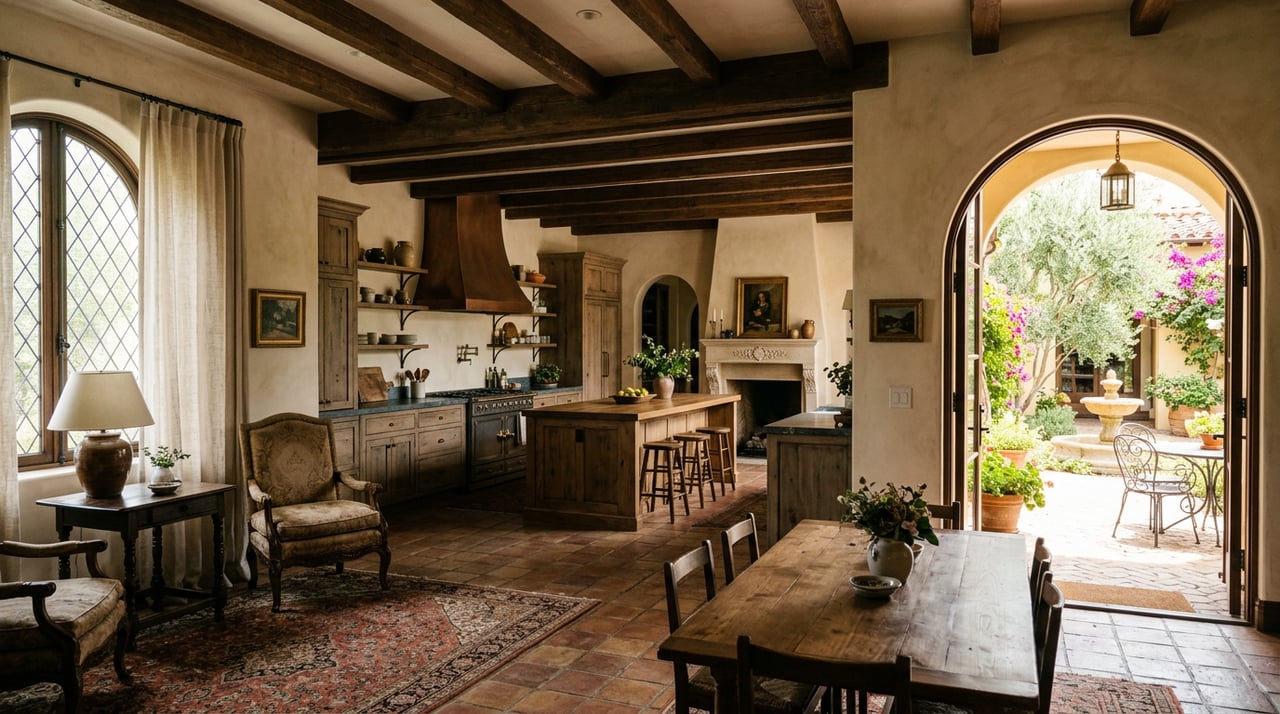
A home inspector walks a 1920s Mediterranean Revival on South Flagler Drive. He checks the barrel tile roof, the stucco for hairline cracks, the wiring, the plumbing. He does not walk the seawall. Buyers who want a real read on a seawall or dock can hire a marine contractor separately.
That gap is a fitting entry point to El Cid, because almost everything about pricing here works the same way. The number that looks official turns out to be measuring something narrower than it appears, and the thing that actually determines value sits just outside the frame.
Four sources, five different medians
Pull up El Cid's housing data this year and you will get a different answer depending on where you look, and the spread is not small.
Redfin's trailing three months through April 2026 put the median sale price at $3.0 million, down 7.8 percent from the same period a year earlier, with median price per square foot down 15.8 percent to $975. Homes.com's neighborhood guide, drawing from a 12-month window, shows a median of $1,745,000, up 52 percent year over year. A separate Homes.com listings page, as of February 2026, puts the median home price at $3,325,000 with an average sale price of $3,226,322. Movoto's June 2026 snapshot describes homes listed to buy at a median of $5.52 million and $1,853 per square foot. And a live-MLS analysis from a competing brokerage, current as of June 25, 2026, lands on roughly $3.1 million, or $1,207 per square foot, based on just eight recent closings.
None of these numbers is wrong. They are measuring different things: sold price versus list price, a three-month window versus a rolling twelve months versus a single month snapshot. But the deeper issue is volume. Redfin's own April figure shows five homes sold that month, down from seven the year before. The $3.1 million MLS read is built on eight closings total. When a neighborhood trades in single digits a month, one $21.9 million new-construction closing or one $1.3 million fixer-upper can swing the median by hundreds of thousands of dollars, and the headline number stops describing the market and starts describing whichever handful of houses happened to close.
There is a second force scrambling the picture this year. A short walk from El Cid's northern boundary, capital is actively rotating into new construction along South Flagler Drive. Edgeworth, a two-tower project from Related Ross designed by Kohn Pedersen Fox, is bringing 168 residences with more than 90,000 square feet of amenity space. South Flagler House, the Robert A.M. Stern-designed twin-tower project a block away, has topped off and is expected to welcome residents in 2027; one of its most visible buyers, former Apple and PepsiCo CEO John Sculley, reportedly paid around $40 million for a penthouse there after selling his Palm Beach estate. And just this month, reporting on the newly launched Maison D'Or, a 39-unit building on South Flagler Drive with units starting at $5.7 million, noted that some of its early pre-construction buyers are coming from El Cid itself. When owners cash out of a historic single-family home to buy into a new tower two blocks away, they thin an already shallow resale pool further, which is exactly the kind of thing that makes a median jump around from one reporting window to the next.
The number that actually predicts price
If the median is noise, what is signal? In El Cid, it is condition. A comparison of current listings found that updated homes ask roughly 63 percent more per square foot than homes in original condition, and they tend to sell faster. That figure comes from a small, current sample and reflects asking prices rather than closed sales, so it should be read as directional rather than precise. But it lines up with what anyone touring the neighborhood already senses: two houses on the same block, same lot size, same 1920s vintage, can be worlds apart in price depending on whether the kitchen, systems, and roof have been brought current.
This is not unique to old houses in general. It is sharper in El Cid because turning an original-condition home into an updated one is neither fast nor simple here, and that friction is what keeps the renovation premium from compressing.
The gate that keeps the premium high
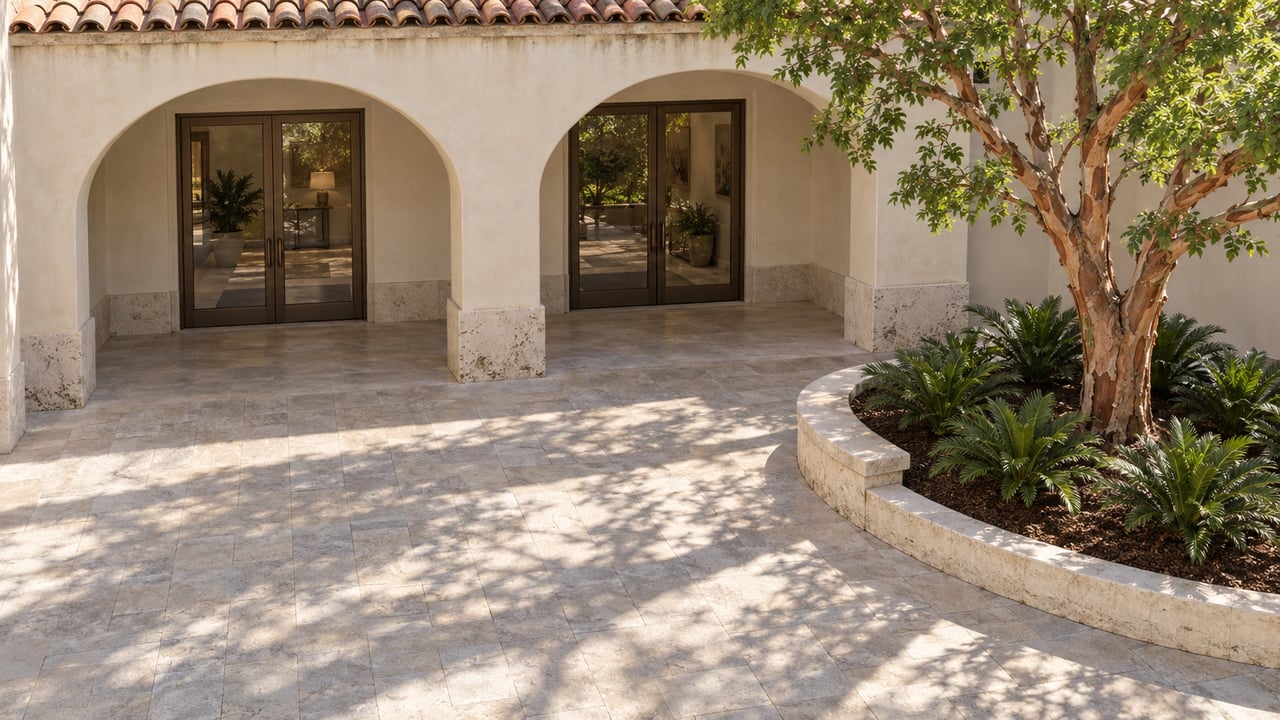
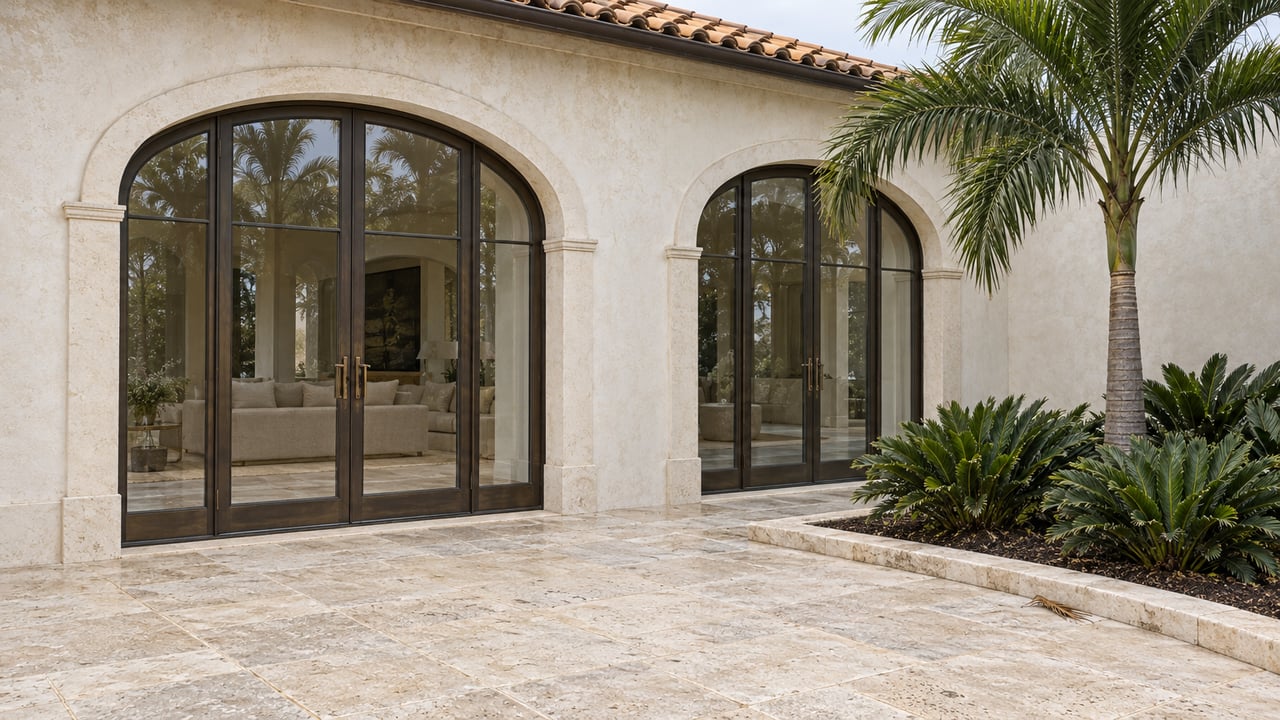
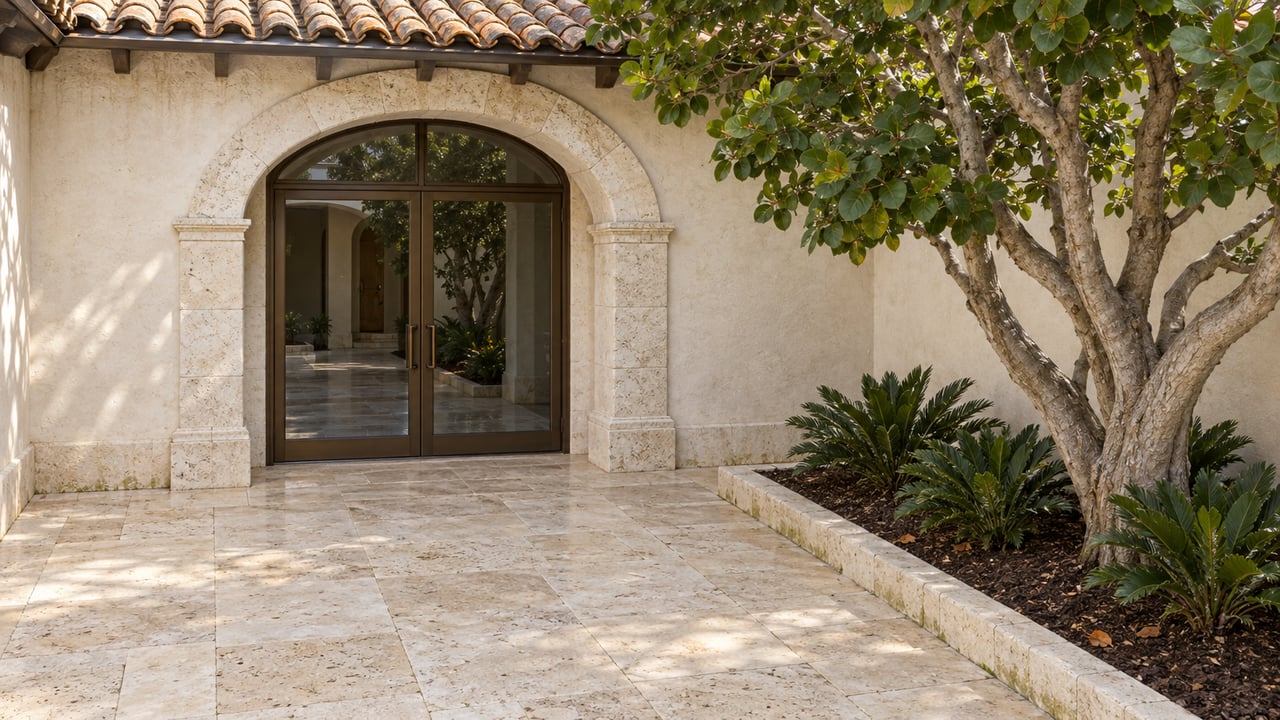
El Cid has been listed on the National Register of Historic Places since August 31, 1995, with 281 contributing structures, most built between the early 1920s and 1945, many by architects of the era including Maurice Fatio and Howard Major. That designation comes with a real process. Any exterior work, from a new roof to an addition to a full renovation, requires a Certificate of Appropriateness before the City of West Palm Beach will issue a building permit, and the city's Historic Preservation Board reviews the request. Interior remodeling is not part of that review, which is genuinely good news for a buyer whose plans stay inside the walls. But if the project touches the street-facing envelope, expect the board to weigh in on materials, proportions, and rooflines. Additions are generally expected to sit to the side or rear, stay smaller than the main house, and read as clearly new rather than mimic the original fabric. Demolition of a contributing structure is something the city generally does not support, which is worth confirming before closing on any property that looks like a teardown candidate.
None of this makes renovation impossible. It makes it slower and more deliberate, which means the supply of homes that have already cleared that process and come out the other side updated stays limited. Limited supply of the finished product, next to steady demand for it, is a reasonable explanation for why the renovation premium holds rather than fades.
An incentive most owners find out about too late
There is a financial lever tied directly to that approval process, and the timing matters more than the amount. The City of West Palm Beach and Palm Beach County jointly offer a historic rehabilitation ad valorem tax exemption that can exempt the increase in assessed value created by an approved renovation from property taxation for up to ten years. The owner still pays taxes on the pre-renovation base value, but the added value from the work itself is shielded for the exemption period. The catch is that the application has to be made before construction starts. An owner who renovates first and applies for the exemption after the fact is not eligible, no matter how faithful the restoration. For a buyer weighing whether to take on a renovation project in El Cid, filing for this exemption before the first permit is pulled is one of the few moves that changes the long-term math of the project rather than just the short-term cost.
What this means before you write a number down
Whether you are pricing a listing or sizing up an offer in El Cid, a few things are worth confirming before you anchor to any single median you found online.
- Ask which window and which measure produced the number you are looking at. Sold price and list price tell different stories, and a three-month median in a five-sale-a-month neighborhood can be stale within weeks.
- Get a straight read on renovation status, not just square footage. A staged original-condition home can look move-in ready in photos and still carry a roof, HVAC, and full systems replacement that a renovated comparable already absorbed.
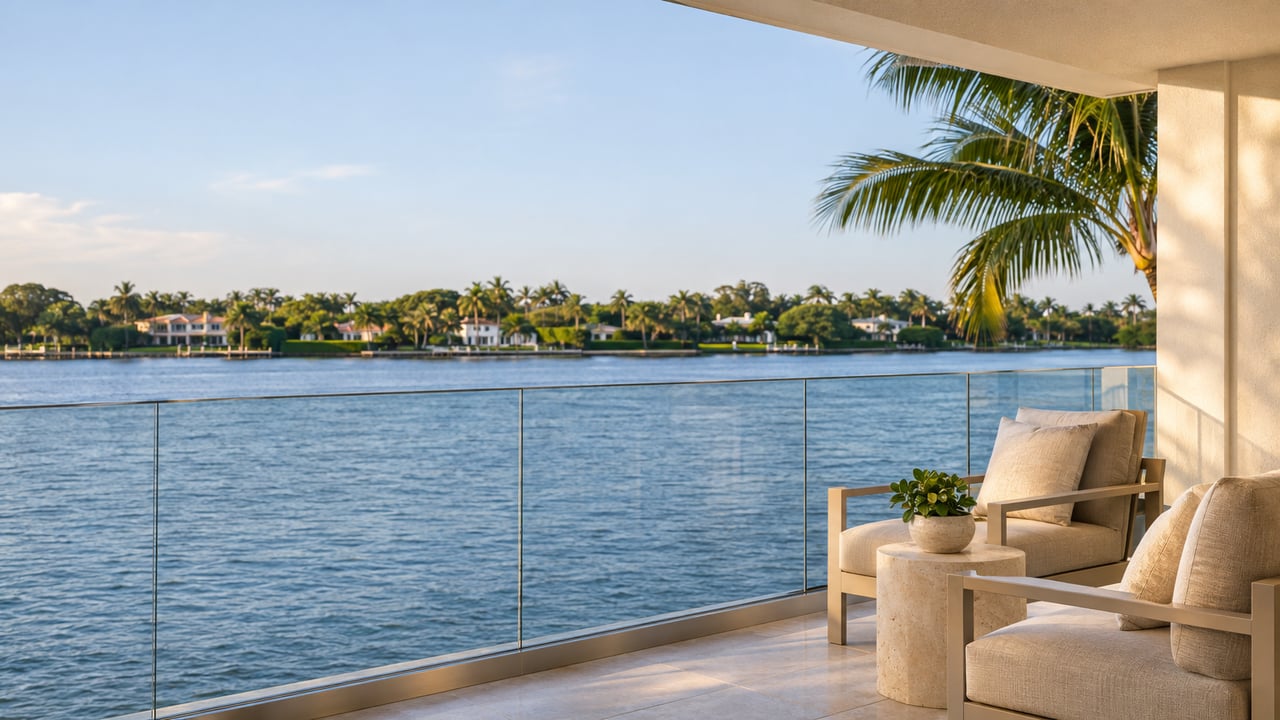
- If the home is waterfront, commission a marine contractor's evaluation of the seawall and dock separately from the general inspection.
- If renovation is part of the plan, talk to the city about the Certificate of Appropriateness and the ad valorem exemption before any contract closes, not after. Both processes reward getting the sequence right.
A short FAQ
Does El Cid have an HOA? No. It is a historic single-family district, not an association-governed community, so there are no mandatory HOA dues. The El Cid Historic Neighborhood Association is a voluntary nonprofit that supports neighborhood beautification and hosts community events, membership is optional at $100 per household.
Is interior renovation subject to historic review? Generally no. The City of West Palm Beach's historic preservation process focuses on the exterior envelope. Interior work that does not alter the outside of the home typically falls outside that review.
Can a contributing home in El Cid be torn down? The city generally does not support demolition of contributing structures, which makes confirming a property's historic status and condition before closing especially important if a full rebuild is part of the plan.
El Cid rewards buyers and sellers who look past the headline number on any single site and ask what it is actually measuring. If you are trying to price a listing accurately or make sense of what a specific home is really worth in this market, James Faloni can walk you through the current inventory, the renovation math, and the approval timeline before you commit to a number. Let's Connect.
This article is general information, not legal, tax or financial advice. Consult a qualified professional about your situation.